
Parsing UTM Parameters
Through parsing URLs, the UTM parameters embedded in URLs can be automatically converted to Airbridge campaign parameters, allowing you to collect data and measure campaign performance using Airbridge. The UTM parameter values are automatically collected as the campaign parameter values according to the mapping table below.Mapping table between Airbridge campaign parameters and UTM parameters
Mapping table between Airbridge campaign parameters and UTM parameters
The
utm_source parameter must be collected. If not, Airbridge cannot collect the UTM parameter values.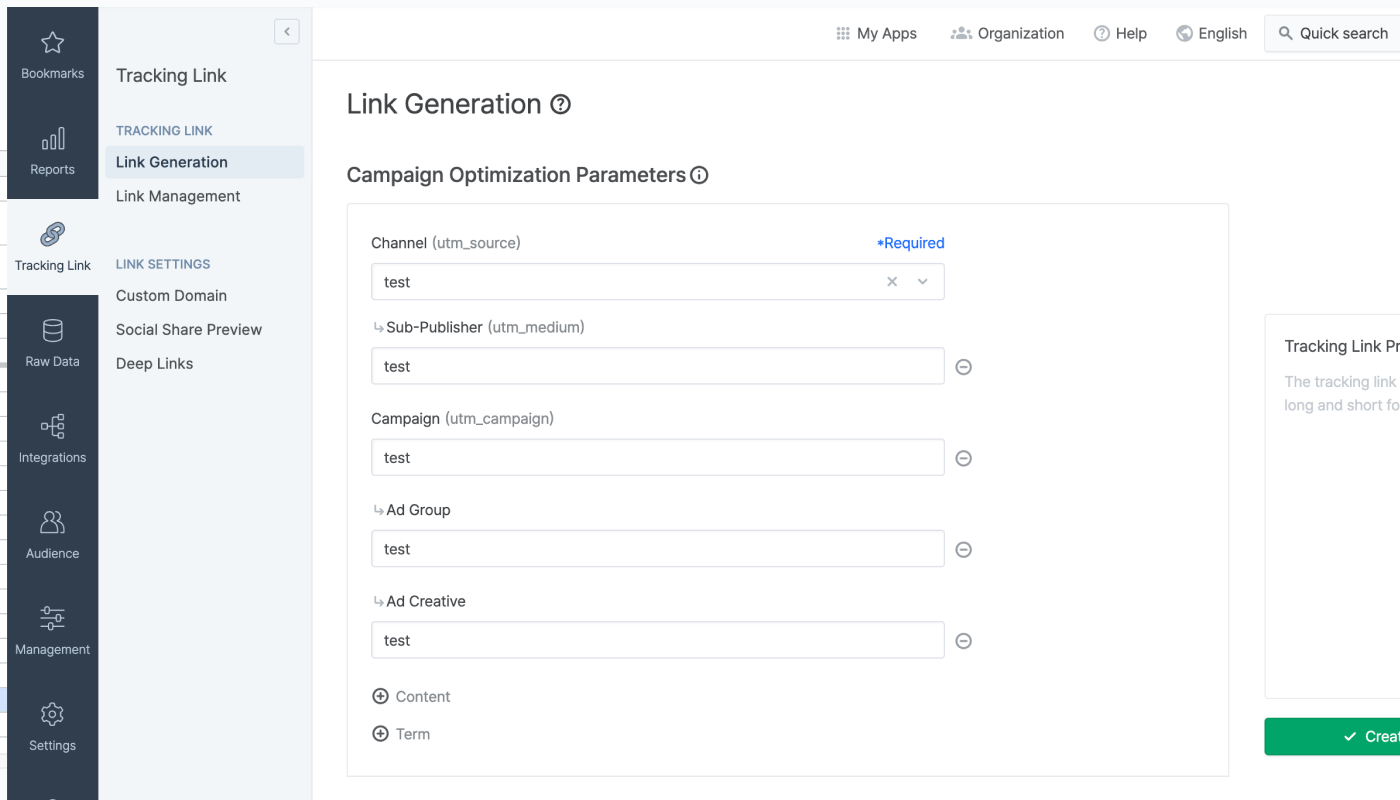
Required settings, parameters, and more
Required settings
Required settings
To utilize UTM parsing, the
init function must be called. When calling the init function, you must set the utmParsing option to true.Required parameters
Required parameters
The utm_source parameter is mandatory for UTM parsing. Without it, other UTM parameters will not be parsed. Performance data from campaigns with the same utm_source value will be aggregated together.
Web-to-web campaign measurement
Web-to-web campaign measurement
To measure the performance of web-to-web campaigns, additional UTM parameters must be appended to the tracking link. You can use the same format for the additional UTM parameters as the ones you already use. If you want to create additional UTM parameters, refer to the URL builder in the Google Analytics Help Center.
Mapping URL Query Parameters to Airbridge Campaign Parameters
Through URL query parameter mapping, you can view the data collected by the query parameters of your existing URL in Airbridge reports.Required settings, parameters, and more
By usingurlQueryMapping, you can custom map other parameters to Airbridge campaign parameters to view the data in Airbridge reports. When calling the airbridge.init function, add urlQueryMapping and input key (Airbridge parameter) : value (Non-Airbridge parameter) pairs. The table below lists the Airbridge parameters that can be used as keys.
Campaign parameters for mapping
Campaign parameters for mapping
https://mybrand.com/?utm_source=google&utm_campaign=jan_ua_campaign&internal_code=ABC
urlQueryMapping so that the data can be viewed in the Airbridge reports, as shown in the example below.
internal_code parameter value will be available in the Airbridge report by setting the GRoupBy as “Sub Sub Publisher 1.”